
Furnishing a Home in a Historic Apartment Building – Does It Mean Endless Restrictions and Expensive Solutions?
Furnishing a Home in a Historic Apartment Building – Does It Mean Endless Restrictions and Expensive Solutions?
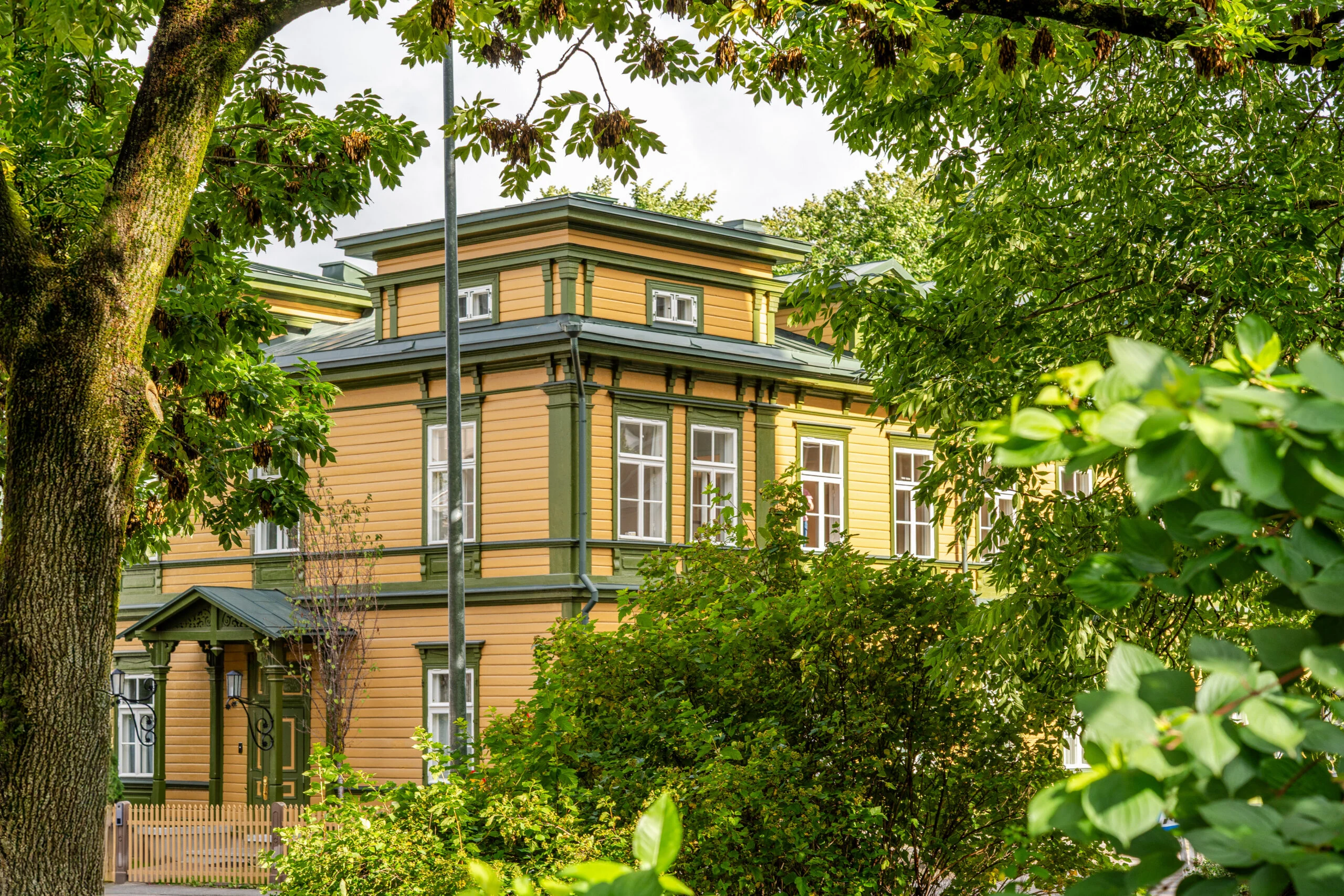
A cosy city apartment in a historic building sounds appealing – a unique space unlike any other, featuring historic details, unconventional layouts, and rooms with character. Yet when furnishing such a home, many questions often arise: the kitchen requires a custom solution, a built-in wardrobe seems impossible, and there is barely a place for a television. So how should you approach designing a truly special home?
WHAT DO I NEED FROM MY HOME?
Many renowned architects and designers have emphasised that good design and interior architecture should always follow function. In other words, a space should first and foremost serve the needs of its inhabitants. This is exactly where every home planning process should begin. What do I do at home? How much time do I spend there? What needs to fit into my home? How important is flexibility and the possibility of rearranging things?
As a real estate agent, I now ask every client whether they even plan to have a television at home. It is no longer a given that the television is the centrepiece of every living room. In many homes, it has disappeared altogether. If a television is not a key feature but you would still like one, it can be mounted discreetly between two windows and hidden behind elegant curtains when not in use.
My next question is usually whether anything else substantial needs to fit into the home. Even if not a grand piano, many families still have an upright piano, which also requires a practical location. What other activities should the home accommodate? How much space do hobbies or a home office require? What needs to be stored? Should there be room for exercising at home? How large should the dining table be?
WHAT DO I LIKE – AND WHAT MIGHT OTHERS LIKE TOO?
When furnishing your own home, especially your first one, it is tempting to include every idea and style you personally love. While that is important, it is also worth considering how your choices might be perceived by future buyers. Could someone else appreciate these solutions as well? This can significantly affect your home’s future resale value.
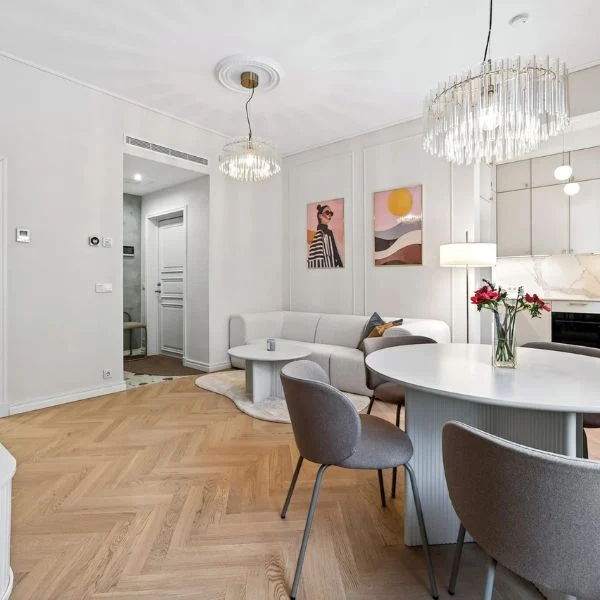
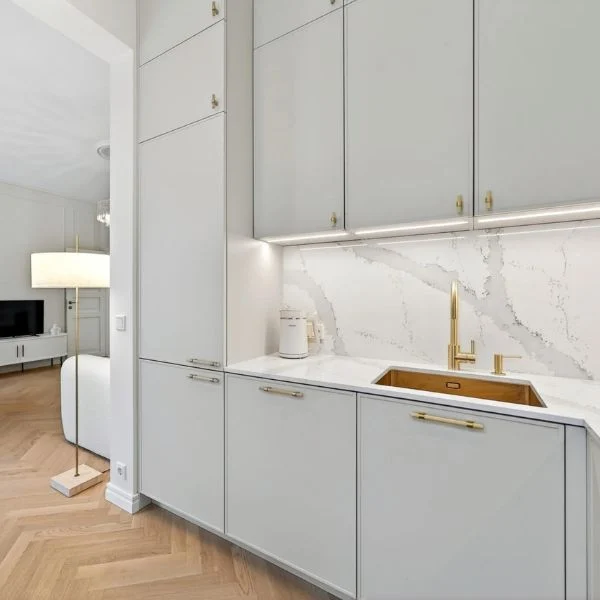
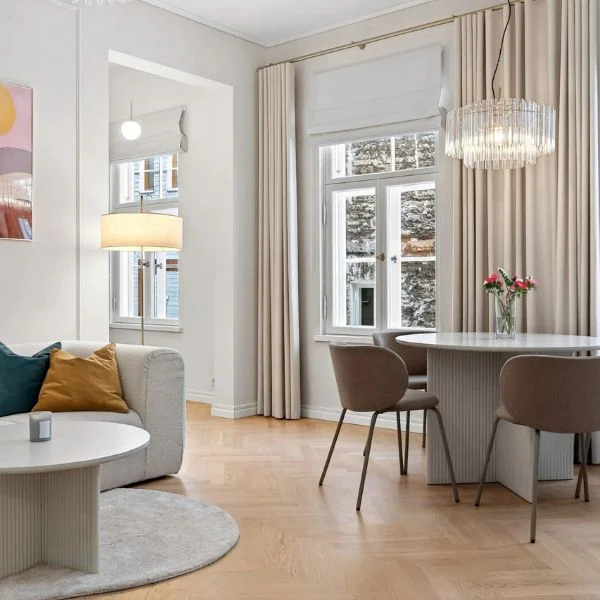
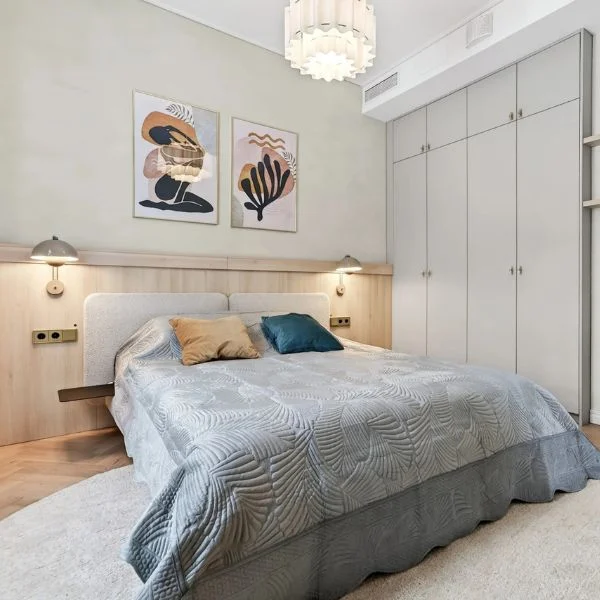
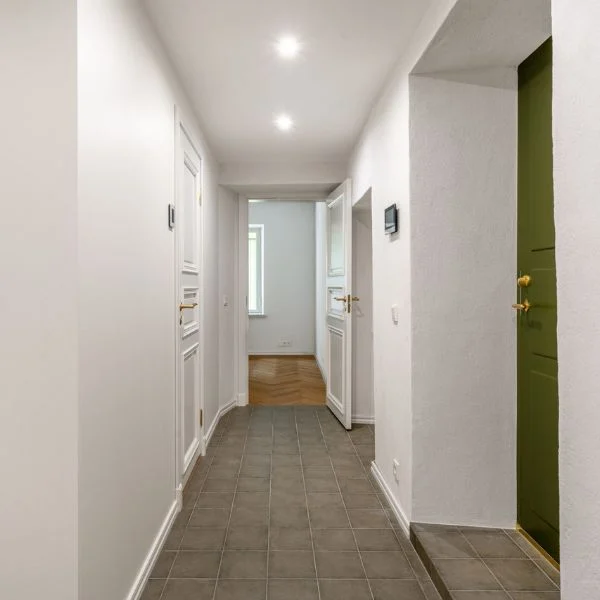
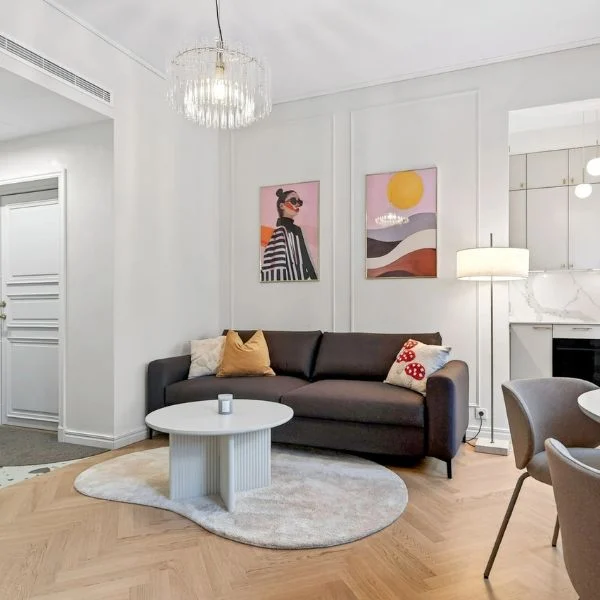
When furnishing a historic apartment, contrast often works better than attempting a fully period-authentic interior. Instead of recreating a historical setting, consider combining a contemporary kitchen with restored windows or preserved wooden panelling. Choose minimalist lighting instead of heavy chandeliers and built-in cabinetry instead of traditional bulky furniture.
A single statement piece – whether furniture, lighting, artwork, or textiles – can add character. Contrasts help preserved original details stand out and often highlight the historical value of the building even more effectively.
Furnishing a historic home does not necessarily require expensive materials or designer furniture. Carefully selected vintage finds or affordable pieces can work beautifully and often enhance the individuality and charm of the home.
WHY CHOOSE A HISTORIC HOME?
The truth is that many construction methods and materials used a century ago were exceptionally durable and well suited for comfortable living. Sound insulation, for example, is a common concern in modern developments. Even when buildings meet current standards, many residents still find neighbouring noise disruptive.
What helps reduce sound? Mass. Thick, heavy floor and ceiling structures. Historic buildings often feature substantial intermediate floors filled with sand, which can provide significantly better acoustic performance than some modern constructions.
In wooden buildings, timber was often selected and processed with great care. Trees were harvested at the right time of year and traditional building methods were used to ensure durability and longevity. Many of these structures have only become stronger over time.
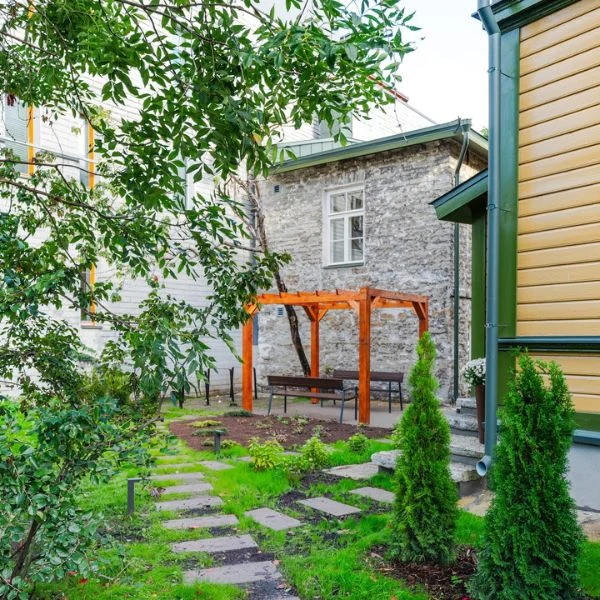
Modern residential developments are naturally constrained by budgets. Every square metre must justify itself financially. Features such as high ceilings, thick walls, charming courtyards, handcrafted details, and natural finishing materials often do not fit within contemporary development economics.
Yet people continue to appreciate natural materials and healthier indoor environments. Clay and lime plasters, handcrafted details, and traditional construction methods create homes that feel warm, authentic, and comfortable to live in.
LOCATION AND UNIQUENESS
Historic and well-restored properties are always limited in supply. There is rarely another home exactly like yours. This uniqueness helps maintain value and makes a property attractive in any market situation.
Equally important is the emotional value and the story that accompanies a historic home. This is something that cannot be added to a newly built apartment. Of course, location remains the most important factor in real estate, and when an excellent location is combined with the qualities of a historic home, it often results in a property whose value stands the test of time.
Good interior design in a historic apartment does not mean creating a museum. It means creating a home that supports modern living while respecting the character of the building. A thoughtfully renovated historic apartment can offer a higher-quality and more distinctive living environment than many new developments. Investing in a well-planned interior solution is therefore worthwhile and does not necessarily require a large budget – often it simply requires creativity and thoughtful choices.
Furnishing a historic apartment is not a compromise between comfort and beauty. It is an opportunity to create a home where character, history, and modern functionality coexist.
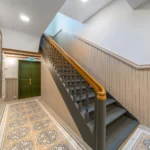
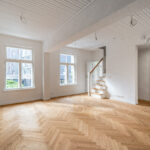
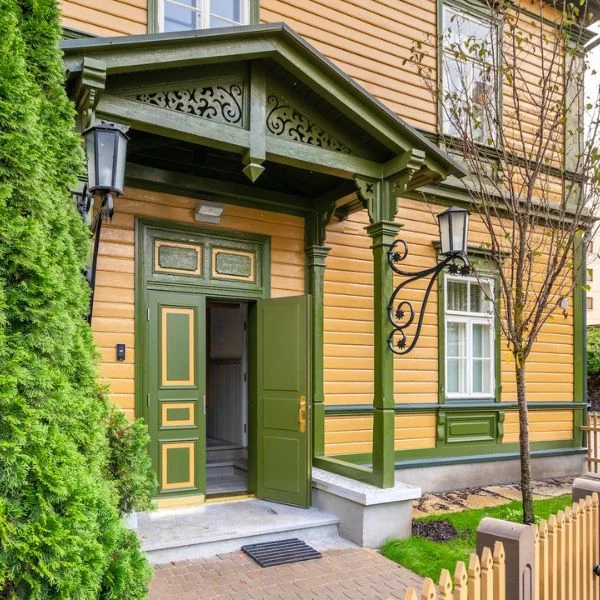
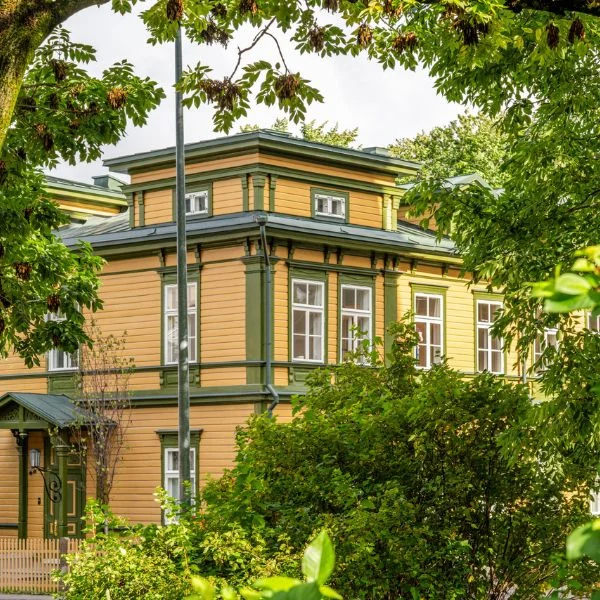
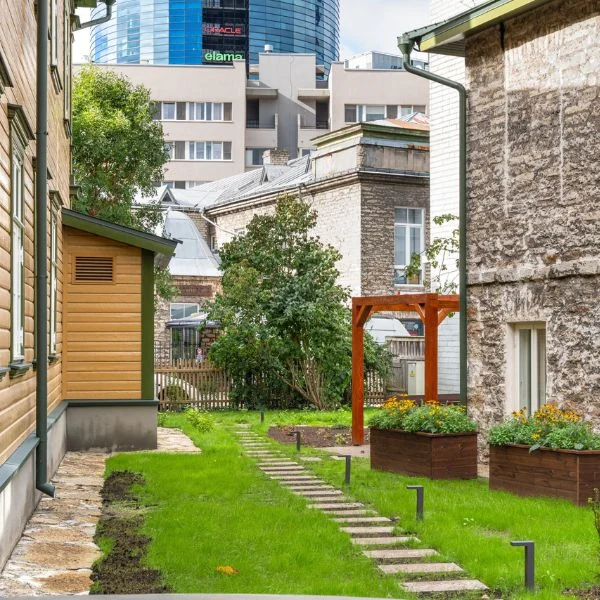
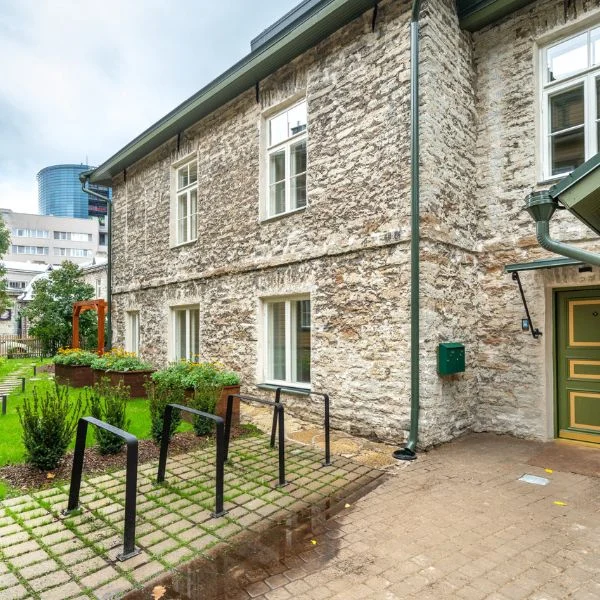
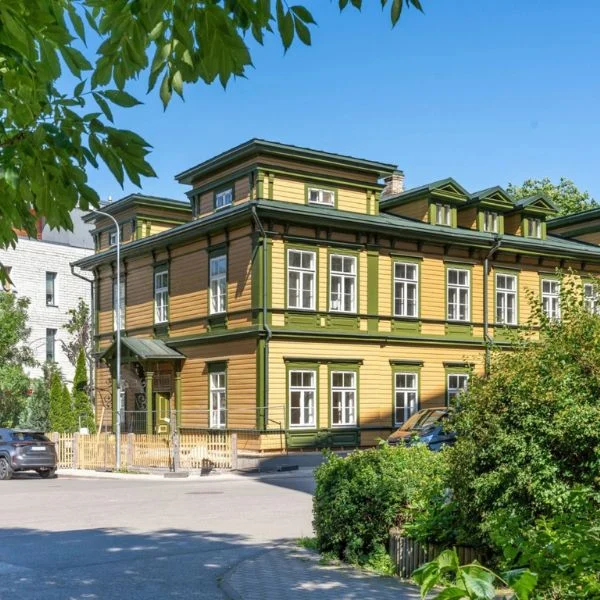
At Thamme Villa, beautiful architecture and authentic historical details meet modern comforts and all the advantages of city-centre living. More information about available homes can be found here: Thamme Villa available homes and floor plans
Come to the Thamme Villa Inspiration Evening, where we’ll talk more about interior design and furnishing. Special guests include Henry Remmelgas from Aunman and Ännifriid Põder (sendid_miljoniks) from Mati Concept! See you on 11.06 at 16:30 at Mardi 3! More information: https://fb.me/e/5Aufr6S3D NB! Event is in Estonian!